
Blogging has become much more than sitting and typing 2,000 words. Research, keyword planning, outlining, editing, visuals, and content promotion can still take even more time. AI is changing that workflow quickly.
In HubSpot’s 2025 State of Blogging report, just 4% of bloggers surveyed reported that they never use AI tools. Meanwhile, 67% said they had boosted content production since introducing AI into their workflow. The same research found that 43% use AI for editing and proofreading, while 38% use it for outlines.
Bloggers still need human judgment throughout the content creation process. A better approach is to use AI tools, SEO assistants, and research platforms to reduce repetitive work.
Quick Answer
The most suitable AI tools for bloggers will rely on the aspect of your workflow that you intend to enhance. Claude is a strong choice for long-form writing, and ChatGPT is the most versatile of all, but both are robust choices. Surfer SEO and Frase are useful for content optimization. Perplexity helps with research while Grammarly handles editing. Canva covers blog visuals, and Pictory or Revid can turn finished articles into videos.
Best AI Tools for Bloggers At a Glance
| Tool | Best For | Main Strength | Free Option |
| ChatGPT | Overall blogging | Ideas, outlines, drafts, editing | Yes |
| Claude | Long-form writing | Natural, detailed drafts | Yes |
| Surfer SEO | SEO optimization | SERP-based content optimization | Limited |
| Perplexity | Research | Source-backed research | Yes |
| Jasper | Brand content | Brand voice and marketing workflows | Trial/varies |
| Frase | SEO briefs | Research and optimization | Limited |
| Grammarly | Editing | Grammar, clarity, tone | Yes |
| Canva | Blog visuals | Graphics and AI design | Yes |
| Pictory | Blog-to-video | Article repurposing | Trial/varies |
| Revid AI | Social video | Article-to-video and publishing | Yes |
Best overall: ChatGPT is the most comprehensive tool for bloggers looking for an all-in-one solution for brainstorming, outlining, drafting, rewriting, and content planning.
For a broader look at AI-powered content workflows, explore Bloggersta’s guide to Best AI Tools to Turn Blog Posts Into Videos in 2026: Create Videos From Articles Easily
How We Evaluated These AI Blogging Tools
A long feature list does not necessarily make a tool useful. Bloggers need software that fits into a real publishing workflow without creating another layer of work.
I compared these AI blogging tools using several practical factors:
- Content quality
- Research capabilities
- SEO functionality
- Editing support
- Ease of use
- Free access
- Workflow flexibility
- Content repurposing
- Brand control
- Overall usefulness for bloggers
It’s also important to note that AI content is different from AI-assisted content. HubSpot’s research indicates that just 7% of marketers do not edit AI-generated content. For most teams, human editing is still in progress.
That is why this list favors tools that help bloggers make better decisions rather than simply producing more words.
1. ChatGPT — Best Overall AI Tool for Bloggers
ChatGPT is the most flexible option on this list. It can support almost every stage of the blogging process.
It can be used for blog topics, outlines, introductions, faq, and other variations of titles, content refreshes, and rewriting. It is also helpful to break down a rough idea into a logical structure before you write it.
Flexibility is the greatest benefit. The same tool can be used as a brainstorming partner in the morning and an editing partner later.
Best for: individual bloggers, SEO writers, affiliate marketers, and content teams.
Pros:
- Versatile blogging workflow
- Strong brainstorming capabilities
- Useful for outlines and drafts
- Helpful for content repurposing
Watch for: Generic prompts often produce generic content. Give it your audience, angle, examples, and editorial requirements.
2. Claude — Best for Long-Form Blog Writing
Claude is particularly useful when an article needs nuance rather than sheer volume. It can be used to structure long content and keep the same tone. It can be used by bloggers to create long-form content, restructure, summarize, edit, and create lengthy explanations.
It is particularly helpful if you have research and just need someone to put it into a readable article.
Best for: Long-form blog posts, technical documentation, thought-leadership content.
Pros:
- Natural-feeling writing
- Strong context handling
- Useful for lengthy documents
- Good rewriting capabilities
Watch for: Always fact-check claims and statistics before publication.
3. Surfer SEO — Best for Blog SEO Optimization
But it’s not enough to just write a good article. It’s also important to know what pages are competing with you and where your article is lacking.
Surfer SEO focuses on SEO content optimization by helping writers evaluate content against search results. It can be useful for keyword coverage, content structure, and on-page optimization. It works best after you understand the reader’s intent. A high score for optimization can’t correct an article that doesn’t answer the correct question.
Best for: SEO bloggers, affiliate websites, and publishers who are looking for competitive keywords.
Pros:
- Strong SEO workflow
- Useful optimization guidance
- Helps identify topical coverage
- Useful for content briefs
Watch for: Do not write solely to achieve an optimization score.
4. Perplexity — Best AI Tool for Blogger Research
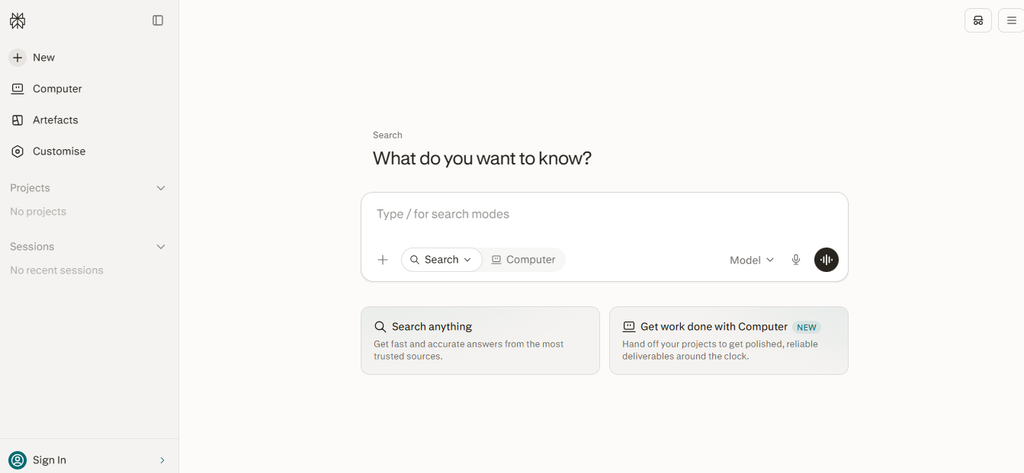
Research is one area where bloggers should be especially careful. AI can produce confident statements that still need verification.
Perplexity is useful for discovering research sources, exploring unfamiliar subjects, finding statistics, and generating follow-up questions.
It can shorten the initial research stage. However, the original source should still be checked before you publish important claims.
Best for: Research-heavy bloggers, technology writers, and journalists.
Pros:
- Fast information discovery
- Source-focused research
- Useful for exploring unfamiliar topics
- Helpful for finding research directions
Watch for: Treat AI answers as a research starting point rather than the final authority.
5. Jasper — Best for Brand-Focused Blogging
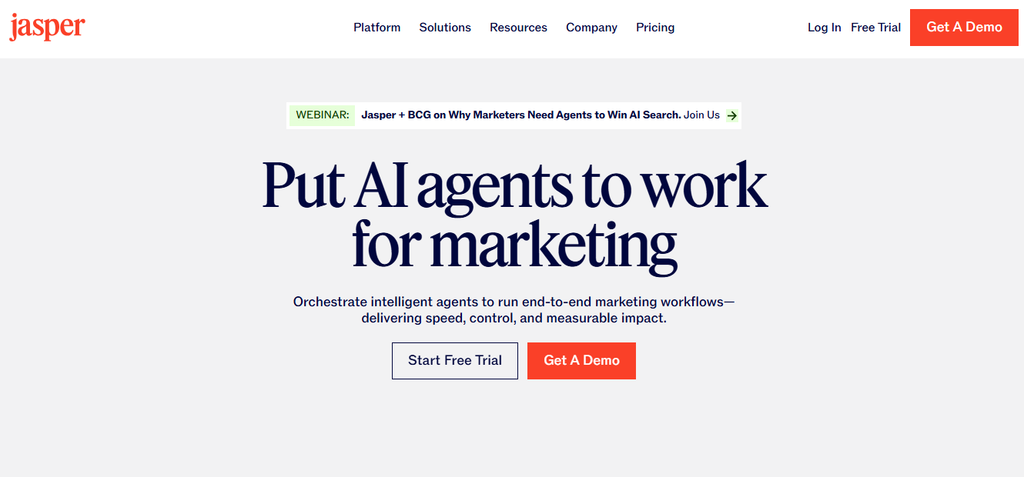
Jasper is designed more for marketing teams than casual bloggers. Its strength comes from structured content workflows and brand consistency.
It can help teams create brand voice content, campaign material, blog drafts, and supporting marketing copy. This is useful when multiple writers are working on the same editorial direction.
Best for: Marketing teams, agencies, and established business blogs.
Pros:
- Brand-focused workflows
- Marketing-oriented features
- Useful for teams
- Supports consistent messaging
Watch for: Individual bloggers may find general-purpose AI tools more economical.
6. Frase — Best for SEO Content Briefs
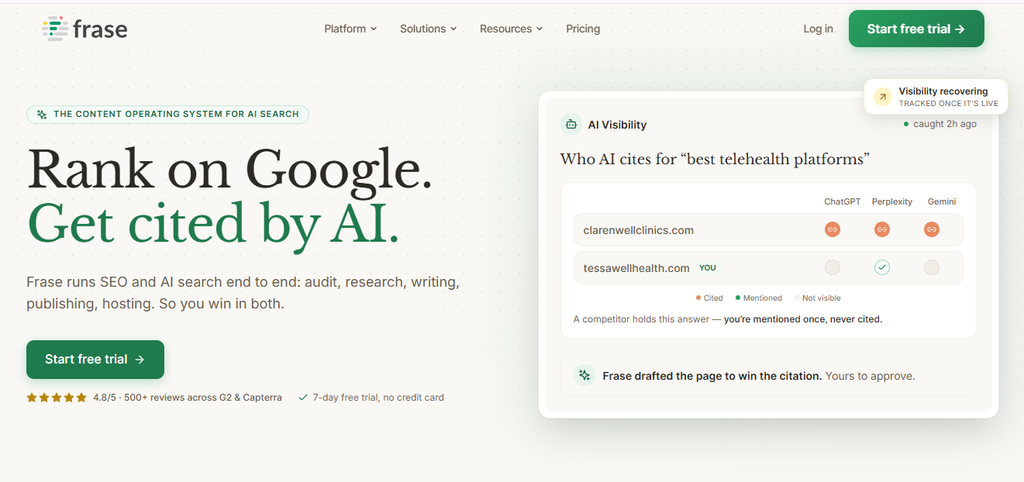
Frase combines research and content optimization into a more focused workflow. It can help bloggers understand search-result coverage before drafting an article.
This makes it useful for creating SEO content briefs, identifying related topics, and improving existing pages.
For bloggers who regularly publish search-driven articles, a good brief can prevent hours of unfocused research.
Best for: SEO content writers and publishers producing articles at scale.
Pros:
- Content research
- SEO-focused briefs
- Optimization workflow
- Useful topic coverage
Watch for: Use related terms naturally. Forced keyword insertion can make an article harder to read.
7. Grammarly — Best for Editing and Proofreading
AI writing isn’t a replacement for editing. In many cases, it makes it even more critical.
Grammarly identifies grammar, awkward sentence structure, readability, and tone problems. It’s especially helpful when the primary article is already written and you need to add more content. Consider it a tool to enhance your writing, rather than an editor.
Best for: All bloggers who post regularly.
Pros:
- Grammar checking
- Clarity suggestions
- Tone assistance
- Useful proofreading support
Watch for: Do not accept every suggestion automatically. Your natural voice should remain intact.
8. Canva — Best for Blog Graphics
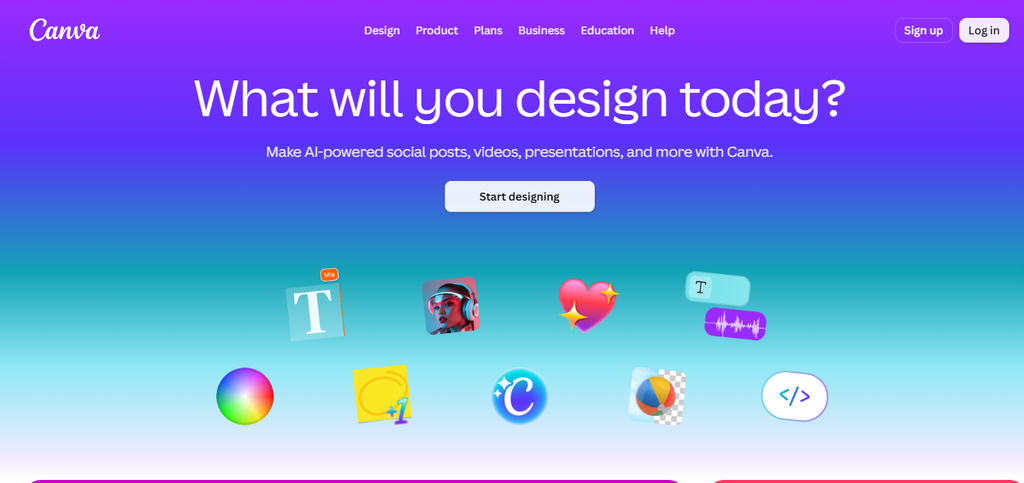
A useful blog post needs more than paragraphs. Use feature images, diagrams, social graphics, and infographics to make information more digestible.
Bloggers can use Canva’s templates and AI features to design blog graphics without being a professional designer.
It’s great for comparison charts, Pinterest graphics, featured images, and simple educational visuals.
Best for: Lifestyle bloggers, marketers, publishers, and small businesses.
Pros:
- Easy visual creation
- Large template ecosystem
- Useful AI design features
- Strong branding options
Watch for: Avoid overly decorative graphics that add no information.
9. Pictory — Best for Turning Blogs Into Videos
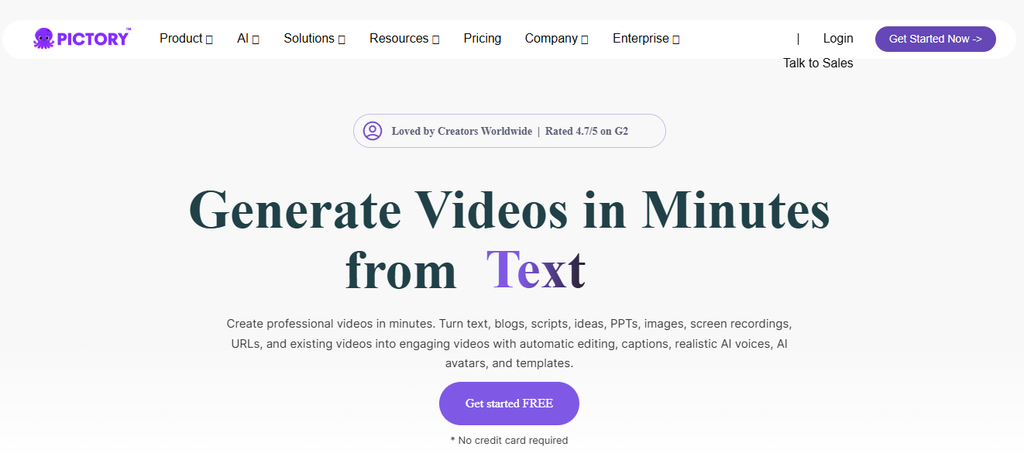
Bloggers often publish an article once and move on. That leaves useful content trapped on one page.
Pictory also has a blog-to-video workflow to convert written content or URLs into videos, with scripts, visuals, captions, and voiceovers. It currently has URL-to-video and text-to-video workflows on its platform.
This can help bloggers to repurpose existing articles for YouTube, LinkedIn, Social media, etc.
Best for: Bloggers looking to take their text posts and turn them into video.
Pros:
- Article-to-video workflow
- Automated script generation
- Captions and voiceovers
- Multiple publishing formats
Watch for: Review the generated script and visuals before publishing.
Try Pictory: Pictory AI
10. Revid AI — Best for Social Video Repurposing
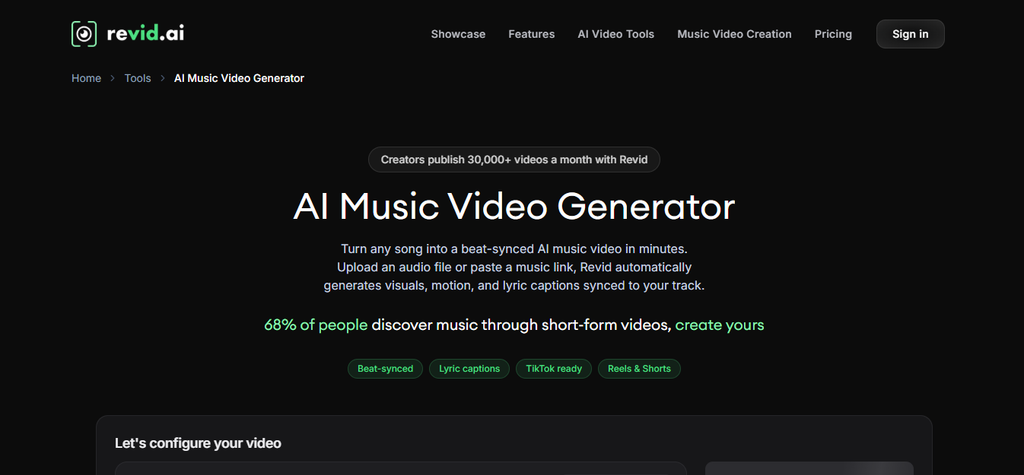
Revid AI is another useful option when your blog needs a second life on social platforms.
It currently offers article-to-video, text-to-video, voiceover-to-video, captions, and various social aspect ratios. Revid can also publish workflows on platforms like YouTube, TikTok, and Instagram.
It’s handy for bloggers who want to create short-form versions of their articles without mastering video editing.
Best for: Bloggers building social traffic around their articles.
Pros:
- Article-to-video creation
- Multiple video formats
- Automatic captions
- Social publishing workflows
Watch for: Generated videos still need editorial review.
Try Revid AI: Revid AI
You can also compare Revid AI Review 2026: Is It Worth It for TikTok, Reels & YouTube Shorts to see which video workflow fits your content strategy.
Best AI Tools for Bloggers by Use Case
Not every blogger needs ten subscriptions. Your best setup depends on the bottleneck slowing down your publishing process.
- Best for Writing: ChatGPT and Claude are strong choices for drafting, rewriting, brainstorming, and developing article structures.
- Best for SEO: Surfer SEO and Frase are better suited to bloggers who already understand search intent and want deeper optimization guidance.
- Best for Research: Perplexity is useful when you need to explore a topic quickly and identify potential primary sources.
- Best for Editing: Grammarly works well as a final polishing layer before publication.
- Best for Blog Images: Canva is the easiest starting point for most bloggers who need branded visuals.
- Best for Blog-to-Video Content: Pictory is a strong choice for turning existing articles into structured videos. Revid AI is particularly useful when the goal is short-form social distribution.
Common Mistakes Bloggers Make With AI
AI can accelerate a weak workflow just as easily as a strong one.
- Publishing the First Draft
The first output is a starting point. It should not automatically become your final article.
- Ignoring Fact Checking
Verify statistics, product claims, quotes, dates, and research references.
- Chasing Keyword Density
Search engines understand topics semantically. Readers still want natural writing.
- Removing Human Experience
Your experience is often what separates a useful article from another generic AI page.
- Buying Too Many Tools
A complicated stack can become another productivity problem.
- Using AI for Everything
Originality, strategy, judgment, and research still require human oversight.
Do Bloggers Really Need AI Tools?
Not necessarily.
If you are a blogger who writes only one well-researched article monthly, you may only need a writing assistant and an editing tool. If you are a publisher who is publishing multiple SEO articles per week, you might be looking for a more diverse AI content workflow. The goal should not be to collect software. The aim is to eliminate bottlenecks.
Begin at the longest stage. Next, add one tool that addresses that particular problem.
Frequently Asked Questions
What is the best AI tool for bloggers?
ChatGPT is the most powerful generalist tool, as it can help with brainstorming, outlining, composing, editing, and repurposing. For SEO, research, or visuals, using specialized tools might be more effective.
Can AI write a complete blog post?
Yes. But it’s not a publish-ready article just because it’s an AI draft. Bloggers should verify, add their own ideas and thoughts, structure, and edit with the human eye.
What is the best free AI tool for bloggers?
Each of these tools, ChatGPT, Perplexity, Grammarly, and Canva, provides free access to its services, but with varying restrictions. This will vary depending on your needs, whether for writing, research, editing, or visuals.
Which AI tool is best for blog SEO?
If your workflow involves SEO, Surfer SEO and Frase are good choices. They can support content optimization and research, but should not be a substitute for the correct search-intent analysis.
Can AI-generated blogs rank on Google?
Using AI does not ensure rankings. However, for use, it still requires accuracy, relevance, original value, good search intent fit, and good SEO.
How can bloggers use AI without sounding robotic?
Use AI for repetitive tasks rather than your entire creative process. Include personal experiences, specific instances, original research, and your own editorial voice.
Conclusion
Not all AI tools are necessarily the best for bloggers, especially when it comes to writing long content. They are the instruments that take away mundane tasks and leave key decisions to human hands.
ChatGPT is the ideal option overall. Claude is for long-form writing; Surfer SEO and Frase are for optimization. Perplexity is helpful for research, and Grammarly will help you draft the final work. For visuals, use Canva, and for making video from text, use Pictory or Revid AI. You don’t have to have all the tools on this list!
Work on one choke point at a time. Choose one tool. Develop a repeatable process. Then measure whether it actually improves your publishing process.
For more practical guides on AI content creation, SEO, blogging, and content repurposing, explore the latest resources from Bloggersta and build an AI-assisted workflow that makes your content better—not simply faster.
4 Responses