

AI has changed how affiliate marketers research, write, and optimize content. HubSpot’s 2026 State of Marketing found that 86.4% of marketing teams use AI in at least some marketing activities. Content creation is the leading use case. So, what are the best AI tools for affiliate marketing content in 2026?
Quick Answer
The best AI tools for affiliate marketing depend on the task behind your content. ChatGPT and Claude work well for drafting and restructuring. Semrush supports keyword and competitor research. Frase and Surfer SEO help strengthen SEO content optimization. Perplexity can accelerate product research and source discovery. Koala AI suits publishers who need faster article production.
How We Evaluate AI Tools for Affiliate Content
Not every popular AI platform deserves a place in an affiliate marketer’s toolkit. A polished interface can hide weak research capabilities. Likewise, an impressive writing model may struggle with current product information.
Here, we would evaluate each tool across five dimensions.
| Evaluation Area | What to Look For |
| Content quality | Natural writing, structure, clarity, useful explanations |
| SEO capability | Keywords, search intent, SERP analysis, optimization |
| Research depth | Sources, product information, competitor insights |
| Affiliate usefulness | Reviews, comparisons, buying guides, CTAs |
| Workflow efficiency | Templates, automation, editing, repurposing |
What Are the Best AI Tools for Affiliate Marketing Content in 2026?
Choosing the right AI tool depends on the part of your affiliate workflow you want to improve. The options below can help with research, writing, SEO optimization, content production, and editing.
1. ChatGPT — Best All-Around AI Assistant

ChatGPT is a versatile choice for affiliate content creation. It can help with keyword ideas, article outlines, product comparisons, FAQs, content briefs, and CTA variations. Its biggest strength is flexibility. You can provide your target audience, search intent, product information, and editorial guidelines to create more focused drafts. However, always verify product specifications, pricing, and performance claims before publishing.
Best Uses
- Affiliate blog outlines
- Product comparison structures
- Buying guides
- FAQ generation
- Content briefs
- CTA variations
- Content refreshes
- Internal linking ideas
Best for: Affiliate marketers wanting one flexible AI assistant.
2. Claude — Best for Long-Form Affiliate Articles

Claude works well for detailed long-form content that requires consistent structure and context. It can help organize extensive research, develop buying guides, restructure reviews, and refine lengthy comparisons. Its ability to maintain context can make complex affiliate projects easier to manage. Still, human editing remains important because consistent AI writing can sometimes become repetitive.
Best Uses
- Long-form buying guides
- Product comparisons
- Detailed reviews
- Content restructuring
- Editorial refinement
- Research synthesis
Best for: Publishers creating detailed affiliate guides.
3. Semrush — Best for Affiliate Keyword Research
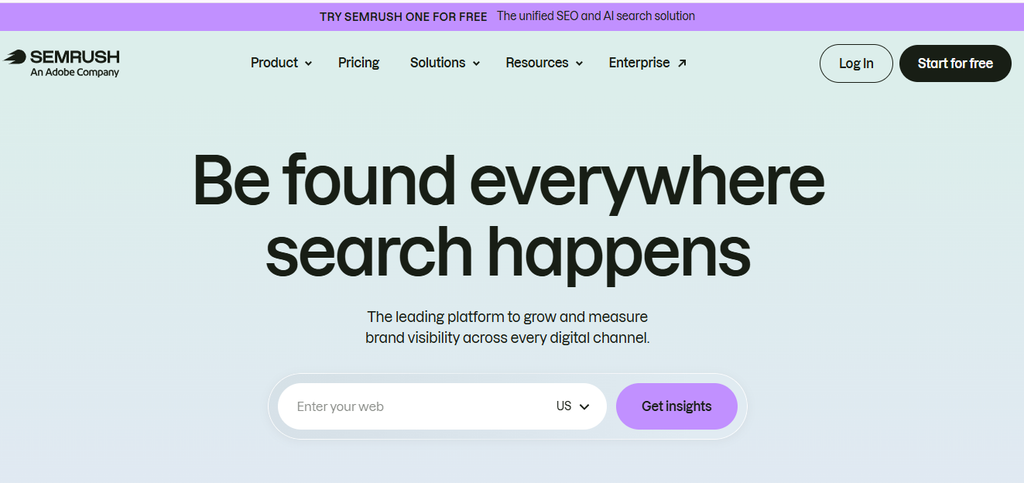
Semrush is valuable for keyword research, competitor analysis, and SEO planning. Affiliate marketers can use it to identify commercial keywords and understand the search landscape before writing. Instead of focusing only on search volume, examine keyword intent and the type of pages ranking for each query. This helps you create content that matches what potential buyers actually want.
A Better Keyword Workflow
Use your SEO platform to identify potential terms. Then manually inspect the SERP.
Look for:
- Product comparison pages
- Review articles
- Retailer pages
- Editorial buying guides
- Forums
- Manufacturer pages
- Video results
Best for: Affiliate publishers building SEO-driven content strategies.
4. Frase — Best for SEO Content Briefs
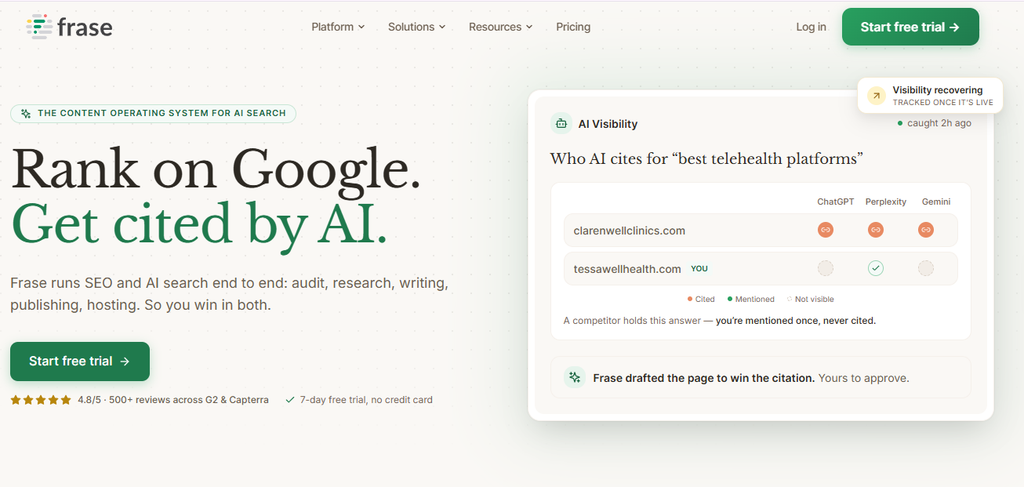
Frase helps affiliate marketers create stronger content briefs by analyzing search results and identifying important topics around a target query. It can reveal subtopics that your article may otherwise overlook. For example, a running-shoe guide could cover cushioning, sizing, terrain, durability, and foot shape instead of simply listing products. This makes Frase useful for improving topical coverage before drafting begins.
Best Uses
- SERP research
- Content briefs
- Topic coverage
- Competitor analysis
- Semantic keyword discovery
- Content optimization
Best for: Affiliate publishers who want more structured SEO planning.
5. Surfer SEO — Best for Content Optimization

Surfer SEO helps improve content optimization by analyzing relevant search results and identifying potential keyword and topical gaps. Affiliate marketers can use its recommendations to strengthen existing articles without stuffing keywords unnecessarily. However, an optimization score should never replace editorial judgment. A genuinely useful product recommendation matters more than achieving a perfect numerical score.
A Smarter Optimization Process
- Write for the buyer first.
- Cover the important subtopics.
- Verify product information.
- Add original observations.
- Review the SEO suggestions.
- Improve genuine content gaps.
- Remove unnecessary keyword repetition.
Google’s guidance similarly emphasizes unique, useful, people-first content rather than content created mainly to manipulate rankings.
Best for: Affiliate marketers who already have content and want stronger SEO coverage.
6. Perplexity — Best for Affiliate Research
Perplexity can speed up product research and source discovery when affiliate marketers need current information. It is useful for finding relevant facts, product details, and supporting sources before writing. However, AI-generated research should never be treated as automatically verified. Trace important claims back to manufacturer pages, official documentation, regulatory sources, or original research before publication.
Use Research AI Like This
Search → Source → Verify → Extract → Write
Not:
Search → Copy → Publish
That small workflow change can dramatically improve editorial reliability.
Best for: Affiliate marketers who spend substantial time researching products and topics.
7. Koala AI — Best for Fast Affiliate Article Production
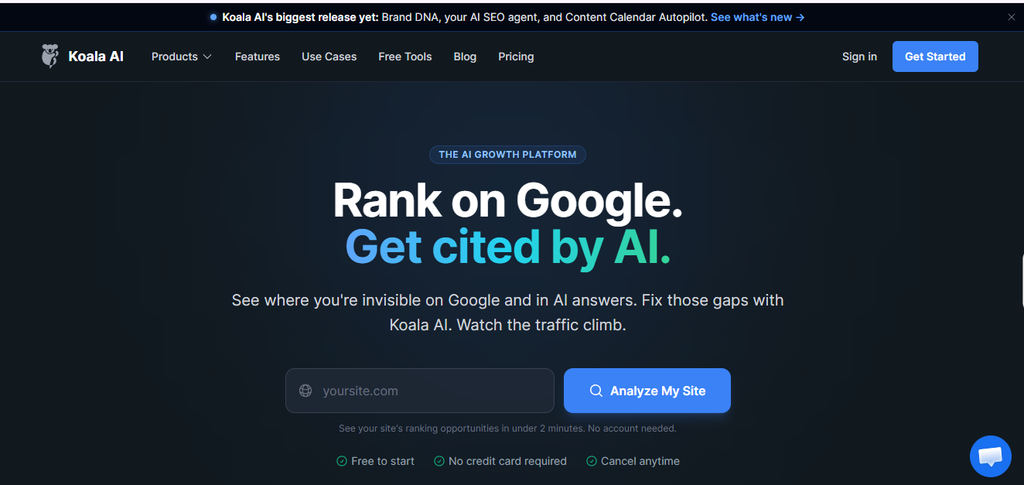
Koala AI is designed for that bottleneck. It combines AI article generation, SEO-focused workflows, and affiliate-oriented content features.
It can be useful for product roundups, reviews, and informational articles. However, speed should never become the editorial strategy.
Before publishing a generated article, inspect every product detail. Add original observations where possible. Then strengthen weak sections with buyer-focused information that helps readers make decisions.
Best for: Affiliate bloggers producing content at scale.
8. Jasper — Best for Brand-Consistent Affiliate Content
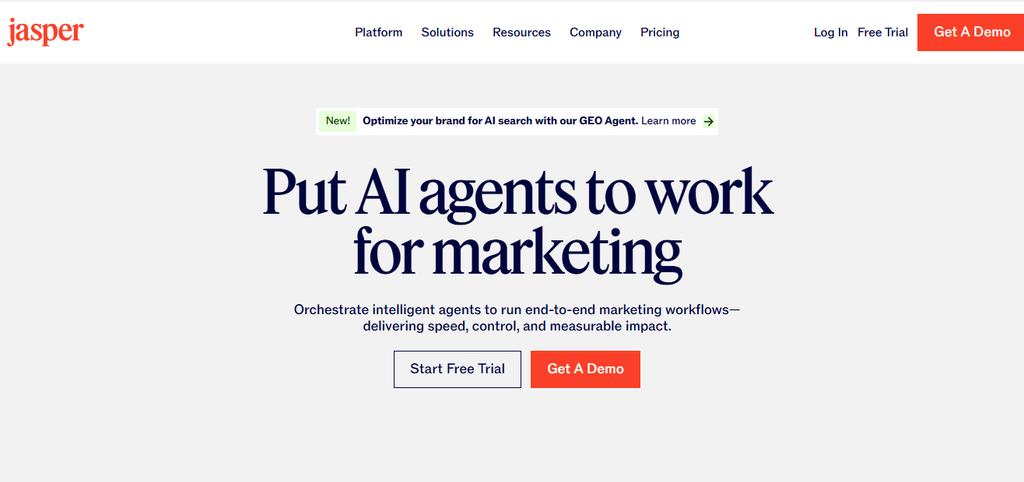
Jasper is better suited to marketers who care about consistency across multiple content assets. Affiliate websites with several contributors can benefit from defined brand guidelines and repeatable content marketing workflows.
It can assist with blog content, promotional copy, product messaging, and campaign assets. That makes it useful when an affiliate business extends beyond organic search.
For example, one product review could become several supporting assets:
- A comparison snippet
- An email recommendation
- Social media copy
- A short promotional script
- A product-focused landing-page section
That repurposing can stretch one well-researched article further.
Best for: Affiliate teams managing consistent brand messaging.
9. Copy.ai — Best for Affiliate Marketing Copy
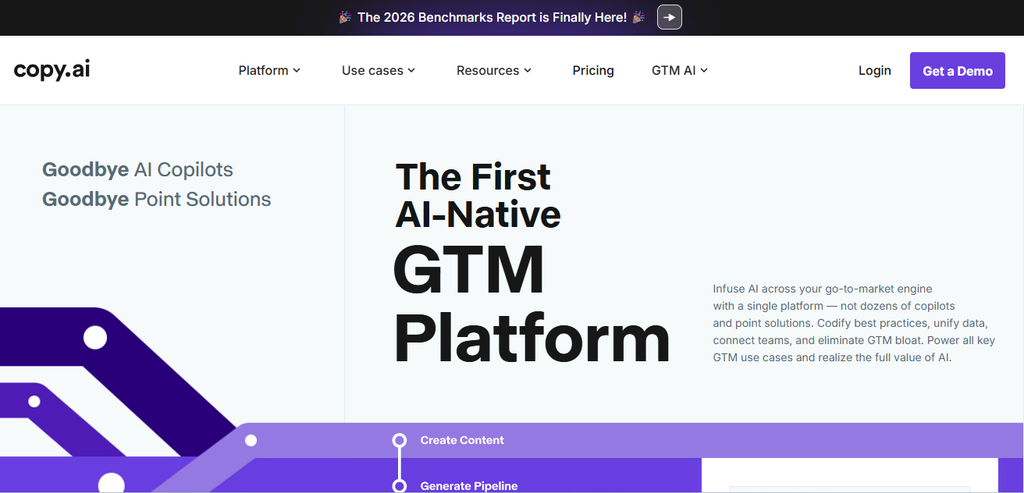
Copy.ai can help generate these shorter marketing copy assets. It becomes especially useful after your primary article has already been researched.
The important distinction is simple.
Do not let AI decide what you recommend. Let it help communicate a recommendation you have already evaluated.
That keeps the editorial decision human while making production faster.
Best for: Affiliate marketers creating supporting promotional content.
10. Grammarly — Best for Final Content Editing
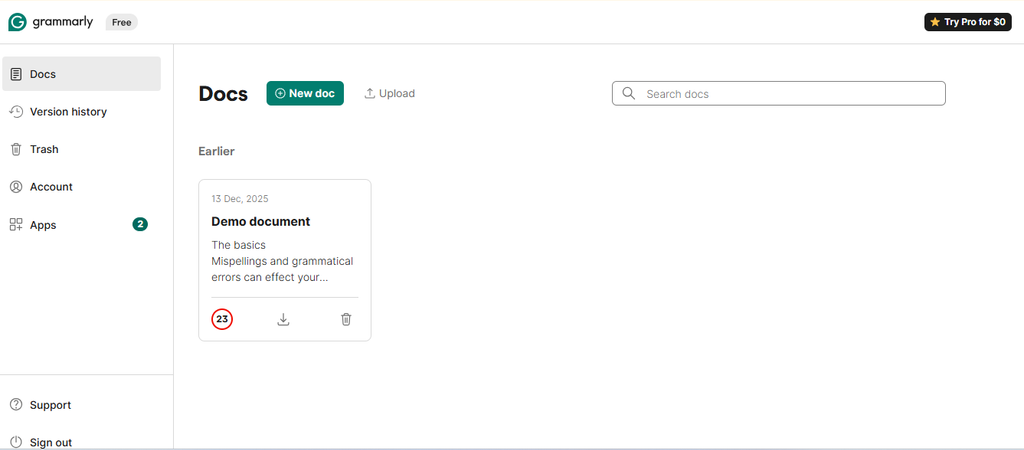
Grammarly can help polish content readability, grammar, tone, and clarity before publication.
Use it toward the end of your workflow.
It should not replace fact-checking or editorial review. Grammar software cannot determine whether an affiliate claim is accurate.
A useful final sequence is:
Research → Draft → Verify → Optimize → Edit → Publish
That order prevents stylistic polishing from hiding factual weaknesses.
Best for: Affiliate writers who want cleaner final drafts.
Best AI Tool for Each Type of Affiliate Content
Different affiliate pages have different jobs. Therefore, choosing one universal AI platform can create unnecessary friction.
| Affiliate Content Type | Recommended Tool | Why |
| Product reviews | ChatGPT / Claude | Structure and editorial assistance |
| Product comparisons | ChatGPT / Claude | Comparison frameworks |
| Buying guides | Claude / Frase | Long-form organization |
| Keyword research | Semrush | Search and competitor data |
| SEO optimization | Surfer SEO | On-page recommendations |
| SERP research | Frase | Topic and competitor analysis |
| Product research | Perplexity | Faster source discovery |
| Fast article production | Koala AI | Streamlined publishing workflow |
| Brand content | Jasper | Consistent messaging |
| Editing | Grammarly | Clarity and proofreading |
The best choice depends on your bottleneck.
If research consumes your morning, another writing tool will not solve the problem. If your drafts are already strong but rankings remain weak, an SEO platform may offer more value.
That is a frequently overlooked part of AI affiliate marketing.
How to Use AI Tools Without Losing Affiliate Trust
AI can make affiliate publishing faster. It can also make weak content easier to produce.
That contradiction deserves attention.
A reader does not care how quickly an article was generated. They care whether the recommendation helps them avoid a bad purchase.
Therefore, build an AI-assisted content workflow around evidence.
Start With a Buyer Problem
Do not begin with the product name.
Begin with the reader’s situation.
For example, “best office chair” is broad. A more useful angle might involve people working long hours in small home offices.
That sharper framing produces more relevant recommendations.
Build a Product Evaluation Framework
Before asking AI to compare products, establish your criteria.
These might include:
- Price
- Durability
- Ease of use
- Warranty
- Compatibility
- Performance
- Maintenance
- Ideal user
- Major limitations
AI can then organize information against the same framework.
Your readers receive a comparison rather than a collection of descriptions.
Add the Missing Information
AI-generated drafts often cover obvious specifications. They frequently miss the awkward details.
Those details can become your competitive advantage.
Ask:
What would you want to know before spending your own money?
Perhaps a product is difficult to clean. Maybe replacement parts cost more than expected. Perhaps the cheaper model works better for occasional users.
These observations create original affiliate content.
Common Mistakes When Using AI for Affiliate Content
AI tools are powerful. Poor workflows can still produce disappointing results.
- 1. Choosing Tools by Popularity
- 2. Publishing Unverified Product Information
- 3. Creating Generic Product Reviews
- 4. Overusing Affiliate Links
- 5. Ignoring Product Limitations
- 6. Optimizing Only for Keywords
- 7. Forgetting Content Updates
Create a review schedule for important pages.
How Often Should You Update AI-Assisted Affiliate Content?
There is no universal update interval.
Instead, prioritize pages according to commercial importance and change frequency.
Review important pages when:
- A product receives a new version
- Prices change significantly
- A competitor launches a better alternative
- Product specifications change
- Affiliate programs change
- Links stop working
- Search intent shifts
- Your rankings decline
An annual review may be enough for stable informational pages. Fast-changing product categories may require much more frequent checks.
This creates an overlooked advantage.
Content maintenance can become a competitive moat.
While competitors generate another article, you can improve the pages already earning impressions.
Can AI-Generated Affiliate Content Rank on Google?
Yes. But AI generation itself is not a ranking strategy.
Google’s guidance says generative AI can be useful for research and structuring content. The central concern is whether the resulting page provides value to users. Content created primarily to manipulate search rankings can violate Google’s spam policies.
For affiliate publishers, the safest approach is therefore AI-assisted publishing.
Use AI for:
- Research assistance
- Brainstorming
- Outlining
- Rewriting
- Summarization
- Content organization
- Repurposing
Then provide human-led:
- Product testing
- Recommendations
- Fact verification
- Original examples
- Editorial judgment
- First-hand observations
That division creates a more defensible publishing process.
Which AI Tool Should Affiliate Marketers Choose?
There is no single winner for every affiliate website.
ChatGPT is the strongest all-purpose choice for many workflows. Claude works well for detailed long-form content. Semrush is valuable for keyword research. Frase and Surfer SEO support optimization. Perplexity is useful for research. Koala AI can accelerate production.
The smarter decision is to identify your biggest bottleneck first.
If research is slow, improve research.
If writing is slow, improve drafting.
If rankings are weak, improve SEO analysis.
If your content lacks differentiation, spend more time gathering original evidence.
That approach prevents tool collecting from becoming a substitute for strategy.
Final Verdict: Build an AI-Assisted Affiliate Workflow
The best AI tools for affiliate marketing content are not necessarily the platforms with the flashiest demonstrations. They are the tools that solve specific problems inside your publishing workflow.
Use AI to accelerate repetitive work. Use SEO platforms to understand search opportunities. Use research tools to organize evidence. Then add the human layer that makes affiliate content trustworthy.
Start small.
Choose one research tool and one writing assistant. Build a repeatable workflow around them. Measure whether your research becomes faster, your content becomes stronger, and your readers receive better buying guidance.
Then expand your stack only when another tool solves a genuine bottleneck.
For content repurposing, you can also explore Bloggersta’s best AI tools to turn blog posts into videos. For social content, consider linking naturally to AI video editors for TikToks and Reels.
The objective is not to publish more AI content.
The objective is to publish better affiliate content faster.
Start Building Your Affiliate Content Workflow
AI gives affiliate marketers an unusual advantage: faster research, quicker drafting, easier optimization, and broader content repurposing.
But speed alone does not create trust.
Choose your tools according to the work you need to improve. Verify every commercially important claim. Add information that generic AI output cannot provide. Then measure the results through rankings, engagement, clicks, and conversions.
If video is part of your affiliate strategy, try Revid AI for creating promotional video content from your existing ideas and product information. You can also use Pictory AI to repurpose written content into engaging video assets.
For more practical AI, SEO, and content-marketing guidance, explore Bloggersta and build a workflow that helps you create content with more depth, efficiency, and purpose.